
What if people didn’t have to wait for an ADHD diagnosis to get support?
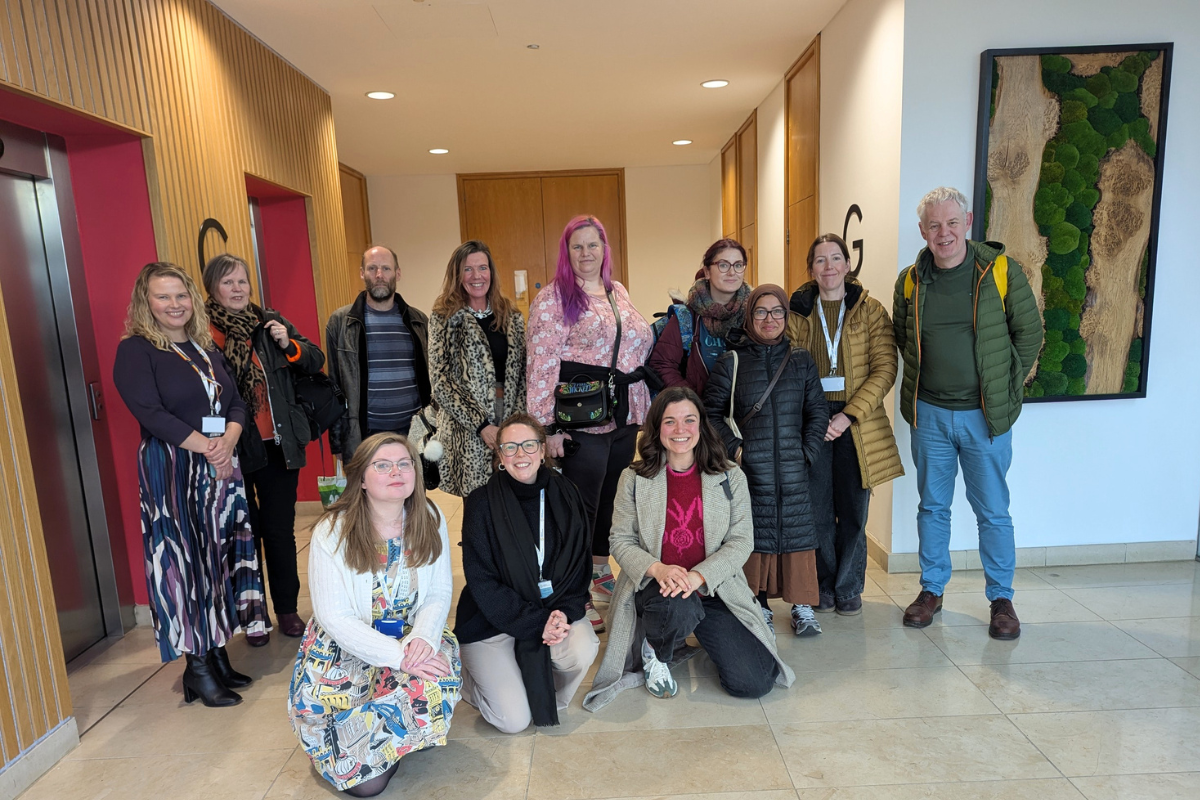
Recently, Commissioners from the Poverty Truth Network’s Amplify Theme Group on Neurodiversity Diagnosis and Support visited the Adult ADHD Service in Leeds — a small team within the Leeds GP Confederation providing advice, connection and practical support for adults while they wait for an ADHD diagnosis.
The visit offered a chance to listen, learn and reflect on what meaningful support can look like during what can often be a long and difficult waiting period. In this blog, Nasrat, a member of the group, shares her reflections, rooted in her own experience, and what stood out from the visit.
I am a Mum of a neurodiverse child who is going to turn 22 years old soon and she is still waiting for any kind of support for her condition. Neurodiversity can run in families, so sometimes parents may be struggling in both supporting their children and dealing with their own difficulties. In my experience, and for many parents with undiagnosed children, we may recognise the same traits in ourselves and think about how we might also have to go through the same diagnosis process, which the health system may not be able to fully support us with.
In the past, I feel like people didn’t really talk about mental health or fully understand what it was. There were no services to help with it or to support people who were struggling. I feel that we are now in the same place with neurodiversity. It feels like everyone has little knowledge or awareness or the resources that lead to real support about neurodiversity. This is why I wanted to join the Amplify group. When I heard they were focusing on neurodiversity support, I wanted to join and help find solutions together and make services better.
The visit
I was very excited to go to Leeds to learn more about the service being run there to support people who are on the ADHD diagnosis waiting list. It was our first ever in-person Amplify trip. It was so lovely to meet in person, give each other hugs and share a meal with the group. Some parents brought their children with them, and it was a nice environment to share our experiences.
We visited the Leeds GP Confederation to meet the Adult ADHD Service team. They are a small team, trained to provide advice and support for adults aged 18 or over managing ADHD symptoms. All of this is offered before people are diagnosed; it is holistic support provided while they are on the waiting list for diagnosis.
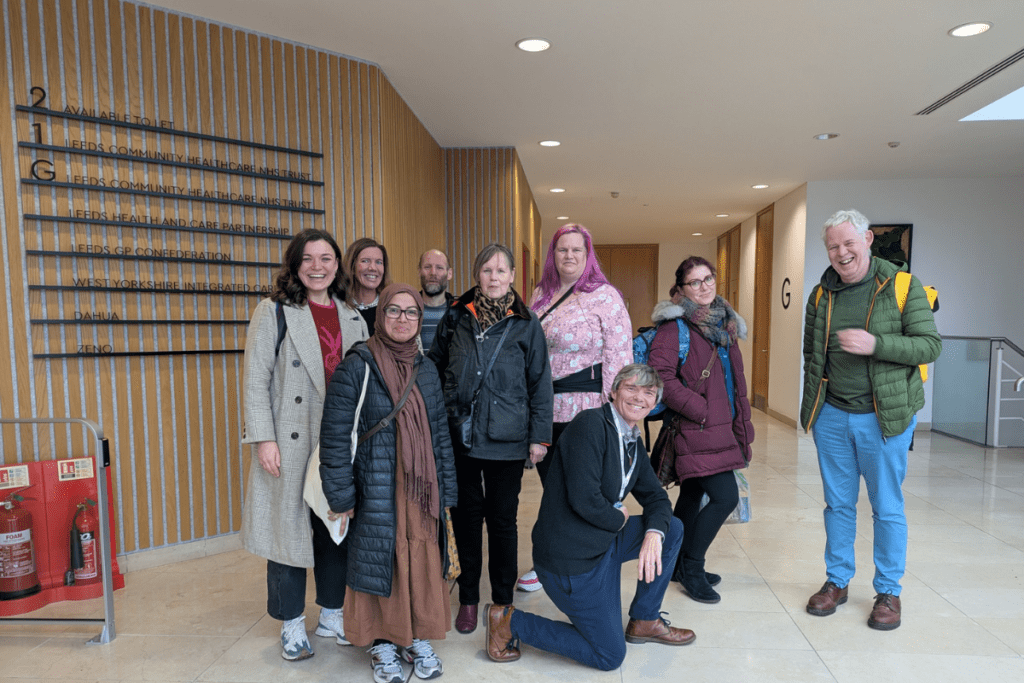
Our aim was to find out how the team are supporting people while they are waiting for their diagnosis. They have only got 4 Care Navigators in their team, yet they’ve managed to reduce the ADHD diagnosis waiting times and support people more effectively in Leeds. One of the ways they help is by signposting people to different services that are available, as well as just taking the time to really listen and be there, which can make the waiting period feel a little bit more tolerable. I think their model of working is very effective and other people who commission NHS services for neurodivergent adults should follow, if their team wants to help where it is needed most.
We want to make a resource for people commissioning NHS services for neurodivergent adults as they try to figure out how to do this really well in the face of long waiting times for diagnosis. Right now, we’re sharing our perspectives through this blog, an upcoming video about our trip, and the resource for NHS commissioners. All of this aims to raise awareness and share other examples of best practice around the country.