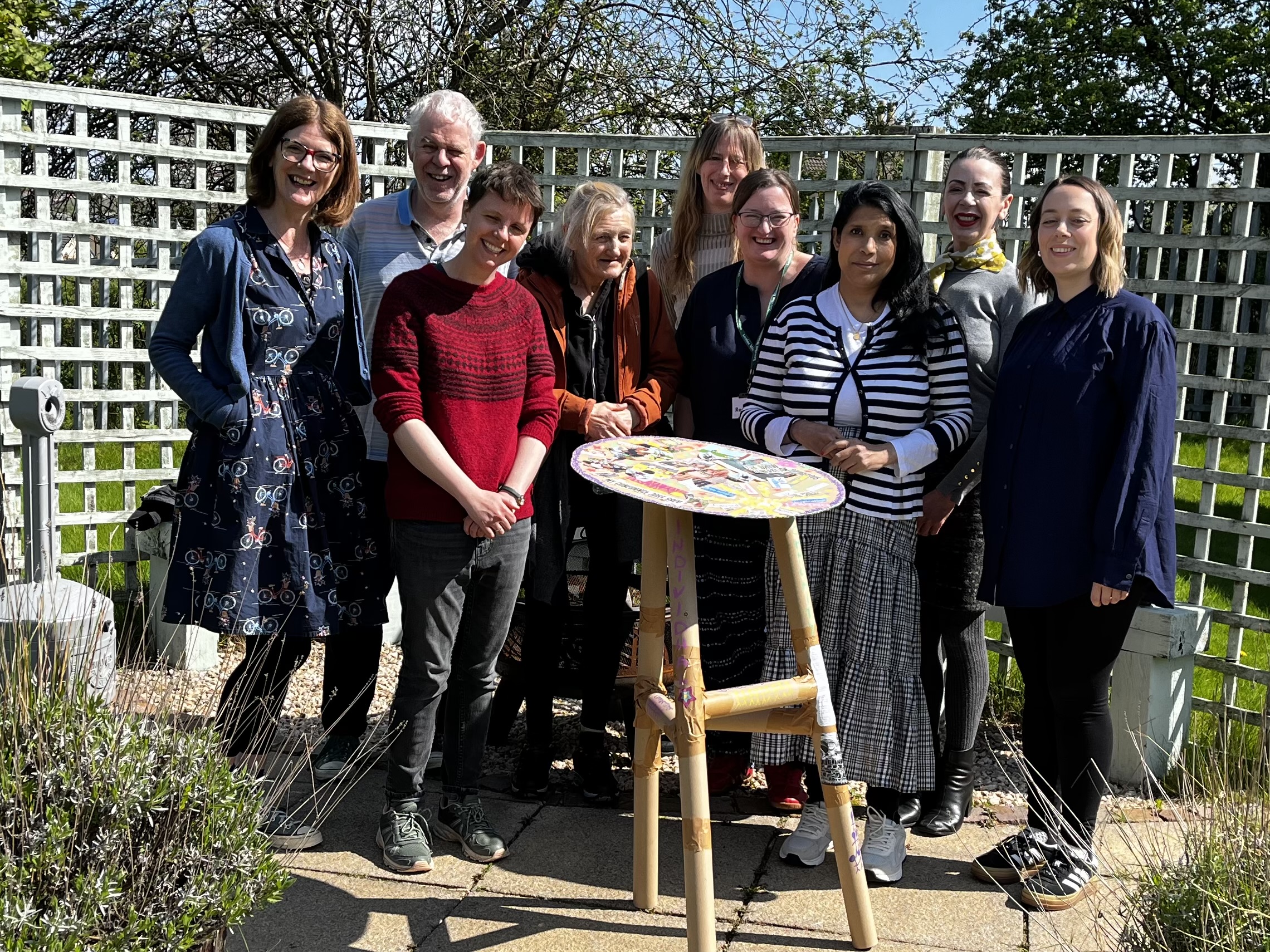
Over the past year, Economics for All has been bringing people together from across the UK to explore a deceptively big question: what kind of economy do we actually want?
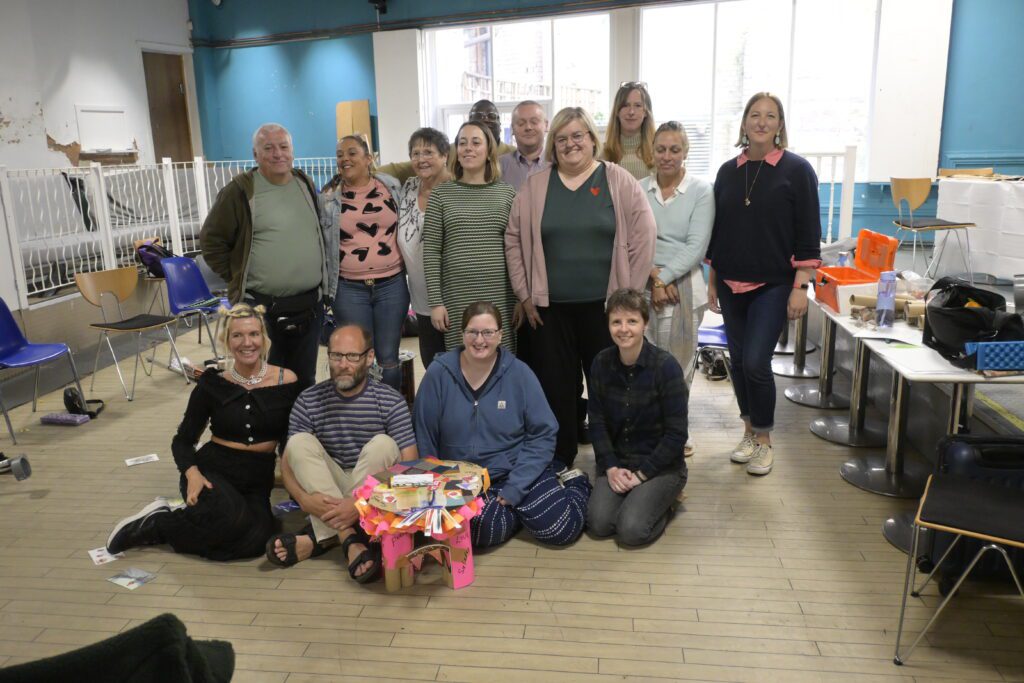
Through conversations online and at residentials in Manchester, Swansea and Coatbridge, we’ve explored how the economy shows up in our everyday lives, what feels broken, and what we might do differently. And despite coming from different places and experiences, many of the same themes have kept emerging.
When we pictured the economy as it is now, the images were often about pressure and powerlessness — people drowning, unbalanced scales, puppet strings controlled from above, a giant pound sign consuming people.
In one of our online check-ins, we described the current economic climate in weather words: tsunami, melted, unsettled, sticky, dry, overwhelming, hard to find resources, and out of our control. As one person put it, decisions are being made by people who’ve never experienced poverty — “a boat with no oars.”
It echoed something we’ve heard again and again: the economy doesn’t feel neutral. And while scarcity is often presented as inevitable, people felt that the bigger problem is how badly resources are shared out.
But when we imagined a different economy, everything changed.
We pictured a big table with enough food and seats for everyone, balanced scales, circular systems connecting people to work, food, learning and leisure, and puzzle pieces fitting together — with the missing piece being the people most affected by economic decisions.
This raised a question: what we choose to measure shows what we value. Right now, “success” is measured by growth that’s often assumed to be limitless, but at what cost to people and the planet?
Across both the residentials and our online meetings, Doughnut Economics came up as a model that resonated, measuring success not by growth alone, but by whether everyone’s basic needs are met without overshooting what the planet can sustain. It felt like a framework that was both practical and humane.
Across it all, there was a strong sense that the economy isn’t a force of nature. It’s something we’ve created, through choices about what we value and who gets to decide. And if we made it, we can change it.
What makes a good life
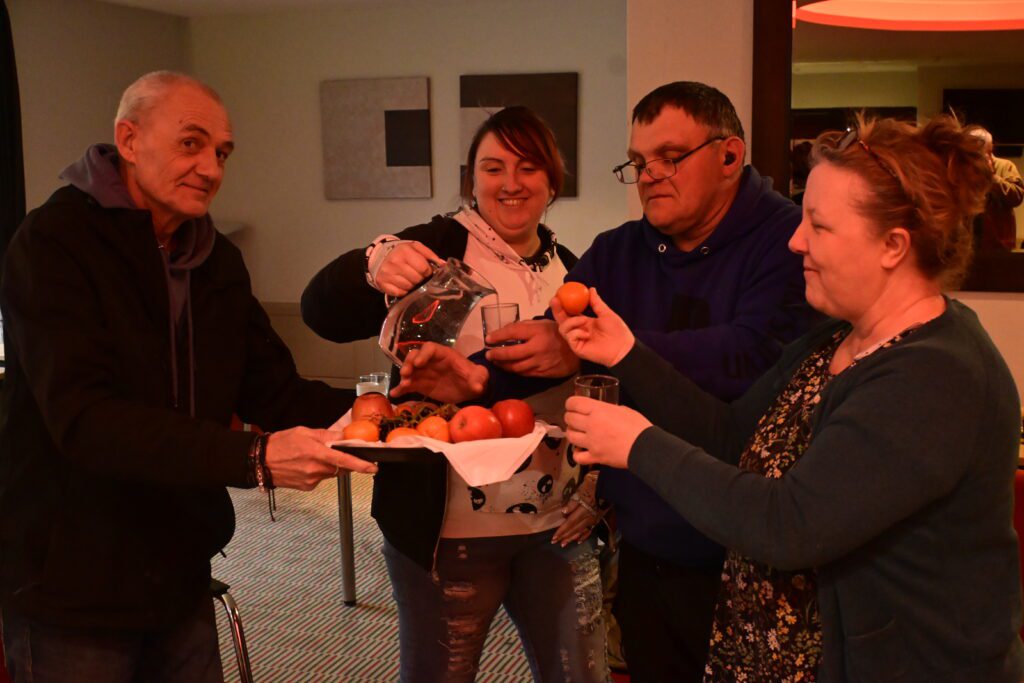
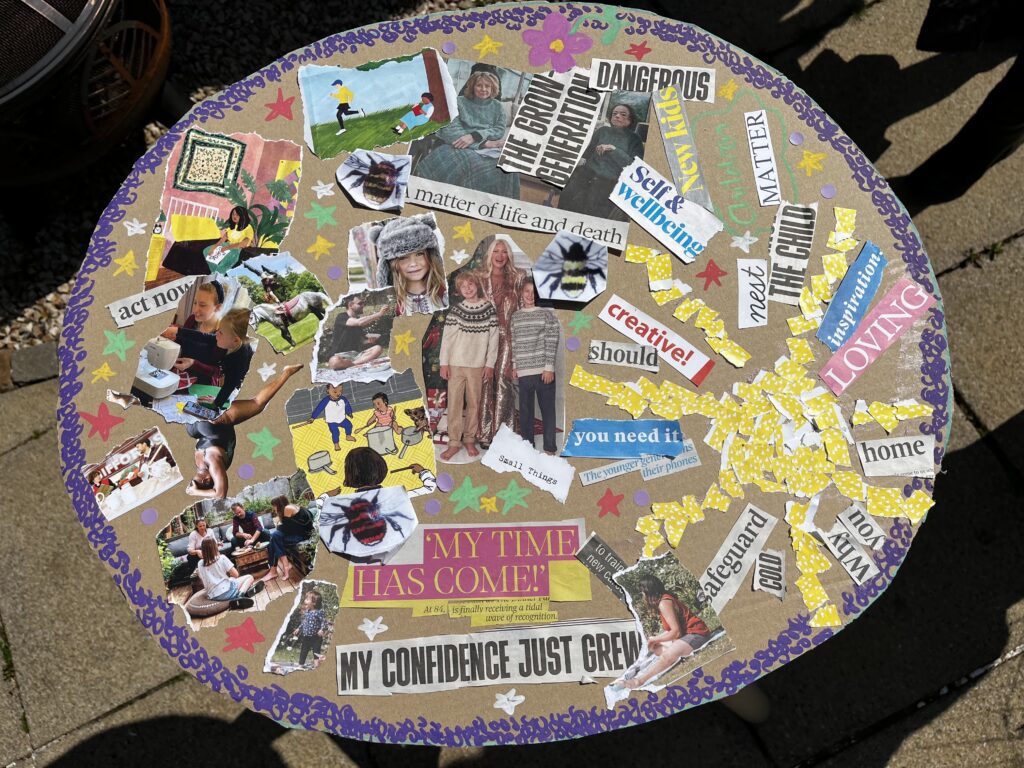
When we talked about what makes a good life, the answers weren’t mostly about money or growth.
We talked about love, safety, respect, fairness, community, warm homes, good health, time, nature, relationships, art and the freedom to grow, along with all the essential work that doesn’t get counted: caring for children and relatives, volunteering, supporting neighbours, and holding families and communities together.
As one person put it: “Without that stuff, the other stuff doesn’t work.”
Some concrete ideas kept coming up too:
- A guaranteed minimum income, so everyone can live with dignity
- Exploring Universal Basic Income
- Reframing tax as a social contribution, part of how we care for one another.
Telling a better story
In July (2026), we were joined online by Zino from HEARD, who have spent 18 years helping people talk about the economy in ways that feel real.
The conversation turned to why some narratives dominate; vulnerable groups are often blamed for economic problems, while the outrage rarely reaches those hoarding the most, and what a better story could look like.
Ideas included economic “science communicators” who break things down locally and nationally, seeing everyday kindness on screen alongside celebrity wins, and getting out into communities directly to talk about the economy.
What’s next?
At our next online meeting, we’ll be joined by ClientEarth, continuing to bring different perspectives into the room and explore how laws, power and the assumptions behind our economic systems shape the world we live in.
This autumn (2026), we’ll also be holding our fourth Economics for All residential, and our first in Ireland, giving us another opportunity to build on everything we’ve explored so far.
If the economy is something people created, rather than something that simply exists, what does that make possible? We’d love to hear what you think.
Share your thoughts
What’s one thing that makes you believe the economy could work differently?
It might be something you’ve experienced, seen in your community, or simply a moment when you thought: it doesn’t have to be this way.
If you’d like to share your thoughts on this, please email cat@povertytruthnetwork.org